Restorative dentistry
Restorative dentistry
Preserving natural teeth is one of UniDentArt's priorities. Restorative treatment deals with tooth decay, restores the shape, function and appearance of teeth, and cares for the tissues that support them. After a consultation and any necessary tests, the dentist recommends treatment based on your individual situation.
01 / 03
Restorative dentistry
ICON treatment — a micro-invasive approach to early lesions
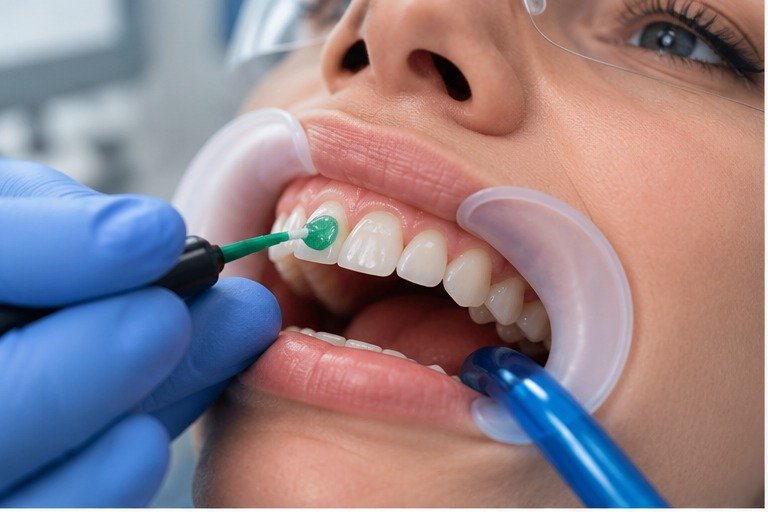
ICON is a method of infiltrating porous enamel with a gel, used for certain early carious lesions where no cavity has formed. It aims to stop the lesion progressing and preserve the tooth structure without drilling.
The affected surface is prepared and a special gel is applied, which penetrates the pores of the enamel and is then light-cured.
Where suitable, ICON can be used to:
- treat certain early carious lesions with no cavity;
- make some white spots on the tooth surface less noticeable;
- improve the appearance of the enamel, including certain spots that appear after orthodontic treatment.
Suitability is decided after the examination: not every white spot or carious lesion responds to ICON, and the aesthetic result depends on the individual case.
02 / 03
Restorative dentistry
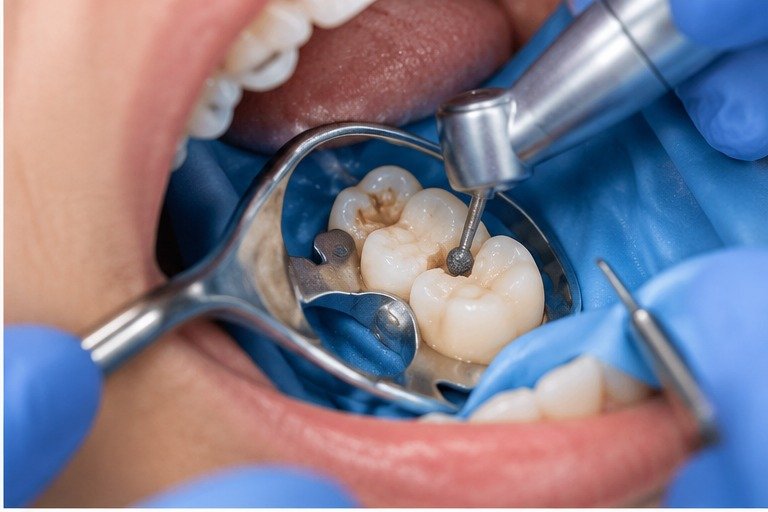
Treating decay and restoring teeth
We treat decay and rebuild damaged tooth structure with restorative materials chosen according to clinical needs and aesthetic requirements. Treatment may include:
- removing decayed tissue;
- restoring teeth with direct aesthetic restorations;
- replacing damaged or leaking fillings.
The aim is to preserve as much healthy tooth as possible and make chewing comfortable again.
03 / 03
Restorative dentistry
Treating the gums and the tissues that support the teeth
Periodontal care aims to reduce inflammation and keep the supporting tissues of the teeth healthy. Depending on the diagnosis, treatment may include:
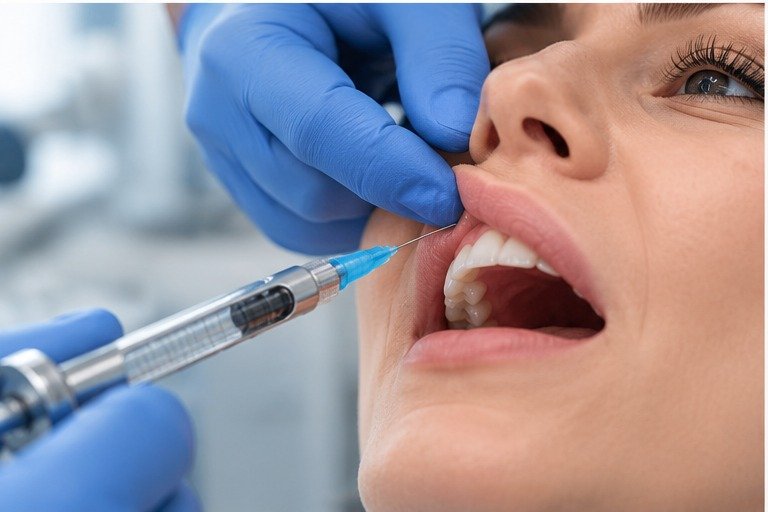
Anaesthesia in dentistry: types and advice →
- assessing the gums and periodontal pockets;
- removing bacterial plaque and tartar above and below the gumline;
- cleaning the root surfaces;
- using a biolaser as an additional method when indicated;
- personal oral hygiene advice and regular monitoring.
The dentist explains what was found, the treatment options and the recommended stages. After treatment, regular check-ups and good home care help keep your teeth and gums healthy. Individually tailored treatment, explained step by step
Treatment plan
A clear path from diagnosis to result
What the treatment involves and the order of the stages are decided after the examination. The dentist explains the options, timing and cost before any work begins.
Clinical assessment
Tests as clinically indicated
Stages and cost
An agreed sequence
Frequently asked questions
FAQ
What does the Restorative dentistry speciality include?
What the treatment involves is decided after examination and diagnosis. The dentist chooses only the stages and tests needed for your particular situation.
How many visits will I need?
It depends on the service and your condition. Approximate timescales are shown in the price list, and the dentist agrees the exact plan with you after diagnosis.
Can I find out the cost of treatment in advance?
Yes. After the examination the dentist draws up a treatment plan and explains the cost of each stage before any work begins.
How do I book a consultation?
Phone the clinic or message us on WhatsApp. The first visit helps establish how much treatment is needed.