
News · Cosmetic dentistry
UniDentArt — high-quality artistic restoration or a filling?
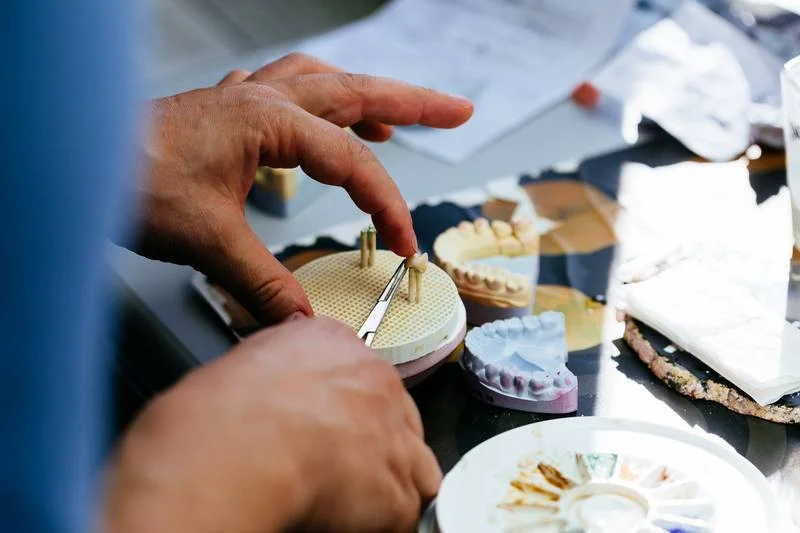
Procedure: artistic tooth restoration.
Goal: rebuilding a significant amount of tooth tissue and recreating the tooth's architecture.
Technique: the material is applied in two, three or even four layers to mimic the optical properties of dentine and enamel.
Duration: from 1 day.
Result: changes to the position of teeth in the arch, changes to tooth colour, and correction of defects of various origins and locations, as needed to achieve the aesthetic result.
Performed by: the medical team led by head doctor Dorin Istrati.
Clinic: UniDentArt
Today each of us is personally responsible for ourselves and our loved ones. This means not only the opportunity but the need to make informed choices in every area of life. What does such a choice involve when it comes to health?
Choosing the clinic, the doctor and the treatment method
While you can rely on friends' opinions when choosing a clinic and a doctor, you will have to choose the treatment method yourself from the options the dentist offers.
A dentist may not start treatment until you have consented to one of the methods offered. To understand what you're agreeing to, you need to get to grips with the available options and the possible outcomes.
Only seeing a dentist when there's an obvious problem (such as pain), or trying to cut treatment short by choosing the simplest methods, is rarely the best option — either for the quality of the result or for the time and money you'll spend later on.
Most of us never stop to think what we get in return for the nerves and stress of a dental visit. No doubt many people can't stand going to the dentist, see it as something awful and only go when they absolutely have to.
A typical visit goes something like this. On arriving, most people immediately ask for an anaesthetic, and at the sound of the drill they want to leave as fast as possible. Few think about WHAT is actually being done. Most are satisfied with the dentist's assurance that “everything will be fine”. You're given an anaesthetic, the nerves are “expertly” removed in 10–15 minutes, and sometimes you get a filling that matches the colour reasonably well.
You're happy with how it looks, nothing hurts and, delighted that it all went well and — above all — quickly, you head home sure that the problem with that tooth is solved for good. However, rushed, poor-quality root canal filling, which dentists often don't give enough attention, leads to complications later on, and even the finest aesthetic restoration becomes a house without foundations.
So what is the difference between a filling and a restoration?
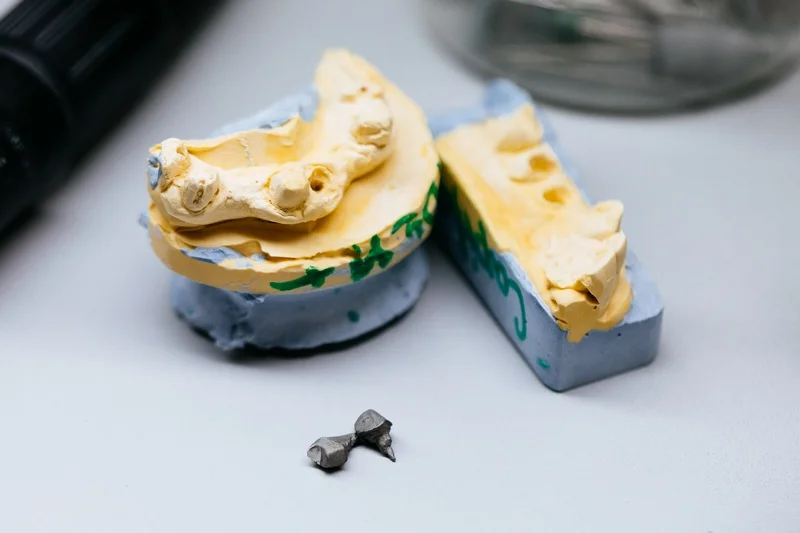
A filling only repairs a defect in the crown; it does not rebuild the tooth's supporting structures. A filling is indicated when up to 1/4 of the crown has been lost, and it is placed in a single layer. The typical dark areas around old fillings show that decay is developing underneath and the tooth is breaking down. Such fillings need replacing urgently — not only for cosmetic reasons but, above all, medical ones — to save the tooth and stop it decaying from within. New fillings made from modern, highly aesthetic materials are indistinguishable in colour from the surrounding tissue.
The fundamental difference is that a filling mainly restores the tooth's function without regard to its individual features, whereas in a restoration the lost tissue is replaced with material that mimics the original dentine and enamel, their translucency and their range of shades.
A filling is purely a treatment
Modern dentistry, however, offers something new — tooth restoration — which can bring back the beauty and shape of teeth damaged by accidents or decay and give them a natural look again.
Tooth restoration means rebuilding a significant amount of tooth tissue and recreating the tooth's architecture. Today the material is applied in two, three or even four layers to mimic the optical properties of dentine and enamel.
Advances in modern dentistry mean restoration can rightly be called artistic, because its results bear comparison with works of art. After all, a beautiful face owes much to an attractive smile, and that smile's charm depends partly on the condition of the teeth.
Artistic tooth restoration rebuilds tooth tissue with the patient's aesthetic wishes and individual features in mind. So what makes a tooth itself beautiful?
Shape, colour, translucency and lustre — these are what the dentist works with to create a tooth identical to a natural one. The technique that makes this possible is called artistic tooth restoration and is regarded as one of the most promising in dentistry. Mastering it takes considerable effort: in artistic restoration the dentist is doctor, painter, sculptor and even psychologist all in one.
The dentist's hands and refined artistic taste are the key to success. The process demands the highest skill, creativity and professional vision. Artistic restoration includes changing the position of teeth in the arch, changing their colour and repairing defects of various origins and locations, as needed to achieve the aesthetic result.
In particular, restoration can refine the shape of teeth (making them rounder or, on the contrary, straighter) and match the colour of the restored tooth to the natural one.
Speaking of colour, tooth enamel deserves a closer look. Many people believe teeth should be snow-white, just like Hollywood stars'. In reality, natural enamel comes in different shades: greyish white, yellow and even brownish.
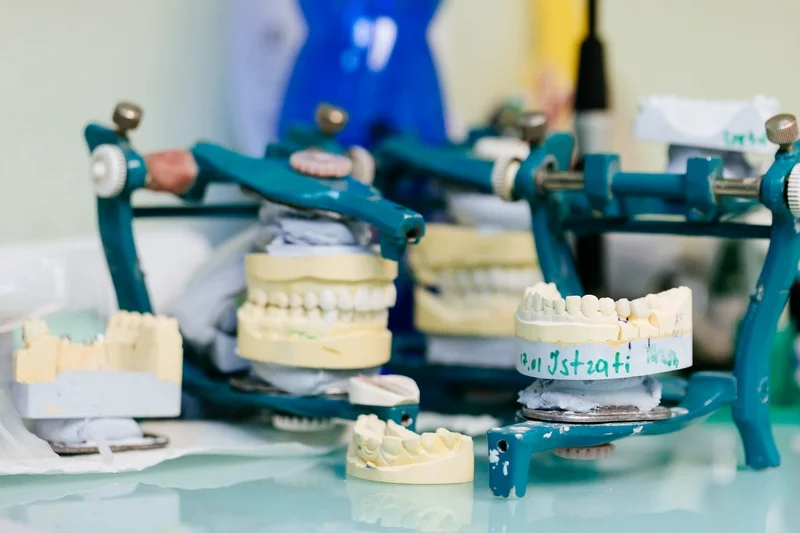
Nicotine, tea and coffee, red wine, harsh medicines and genetics all affect tooth colour too. Thanks to modern materials, a dentist carrying out a restoration can choose a shade for the rebuilt tooth that is as close to natural as possible.
This is done by layering restorative material in different shades, one layer after another, until the desired result is achieved. Each layer is then hardened with a special lamp. The new, strong, translucent enamel is practically indistinguishable from the real thing. There's another benefit too: teeth wear down with age, and layering enamel makes it possible to restore the original shape of the biting edge.
You could say that during restoration the tooth is born again in the dentist's chair — its unique structure rebuilt with every cusp and groove, in all its variety of shades. But meeting everyone's aesthetic expectations is not easy. And afterwards, a restoration needs careful looking after, good hygiene, a healthy bite and no bad habits.
Restoring a tooth is complex, creative work and, unlike an ordinary filling, takes more time and experience. But it's a real chance to get your health and good looks back.
Read also
All news →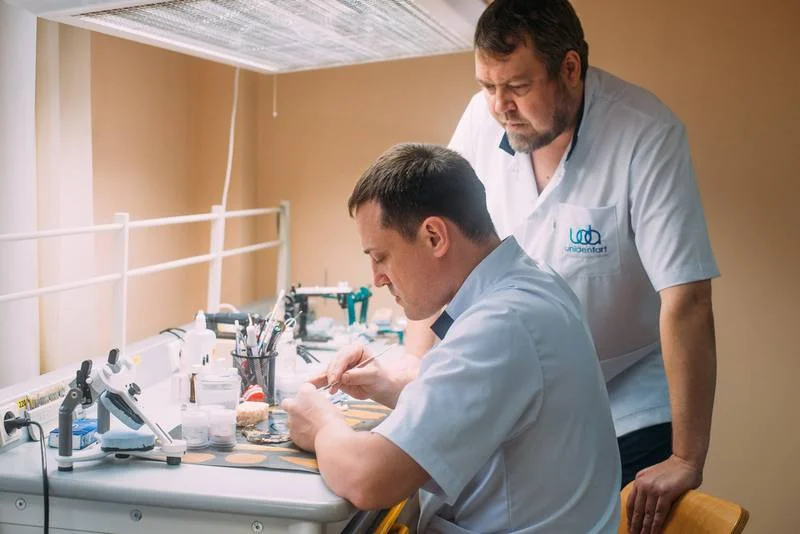
Aesthetics in dentistry
“Without correct proportions no painting can be perfect, however diligently it has been made…”
Read →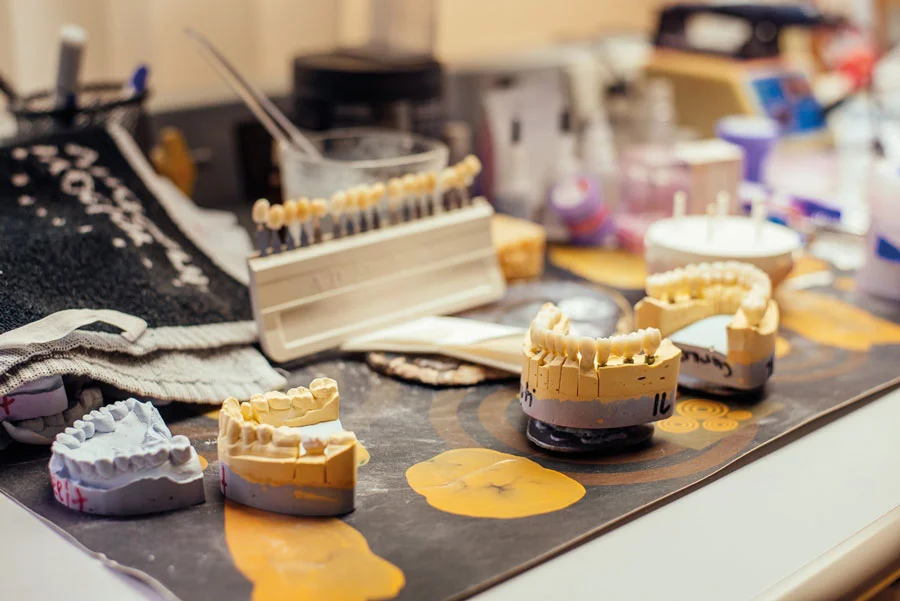
Dentistry as an art
Today healthy teeth are an absolute necessity. An attractive smile, fresh breath and self-confidence are all part of looking good and succeeding.
Read →
Dorin Istrati: talking to fellow professionals drives you forward
From 7 to 11 October 2015, Dublin hosted the 60th congress of the European section of the International College of Dentists (ICD).
Read →